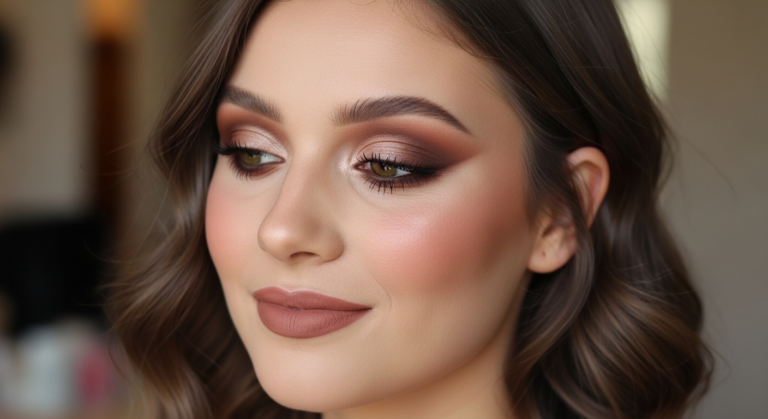

Foundation Shade Matching Tips for Beginners That Make Your Makeup Look Flawless
Finding the right foundation shade can feel impossible when you’re just starting out. One shade looks perfect in the bottle but somehow turns orange on your face, while another makes your skin look dull and washed out.
The good news is that foundation matching doesn’t have to be confusing. Once you understand a few simple tricks, you’ll be able to find a shade that blends seamlessly into your skin and gives you that natural, flawless finish.
If you’ve ever struggled with choosing foundation at the store or online, these foundation shade matching tips for beginners will save you time, money, and a lot of makeup frustration.
1. Know Your Skin Undertone First
Before you buy any foundation, you need to understand your undertone.

Your undertone is the subtle color underneath your skin’s surface. Most people fall into one of three categories:
- Cool undertones (pink, red, or blue hints)
- Warm undertones (golden, yellow, or peach hints)
- Neutral undertones (a mix of both)
A quick trick is to look at the veins on your wrist. Blue or purple veins usually indicate cool undertones, while green veins often suggest warm undertones. If you see both, you’re likely neutral.
2. Never Match Foundation to Your Hand
One of the biggest beginner mistakes is testing foundation on the back of your hand.
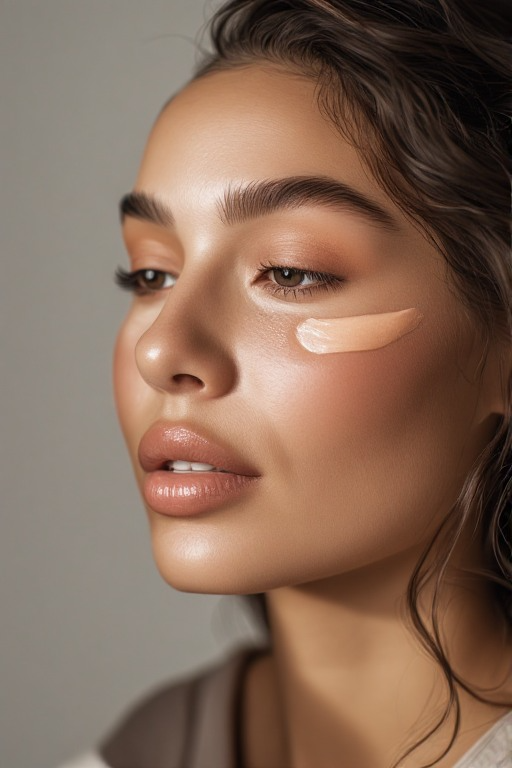
Your hands are often a different color than your face because they get more sun exposure. Instead, test foundation along your jawline or the side of your face for the most accurate match.
This simple change can dramatically improve your foundation results.
3. Check Your Shade in Natural Light
Store lighting can be incredibly misleading.

A foundation that looks perfect under bright retail lights may look completely different outside. After testing a few shades, step near a window or check your makeup in natural daylight.
Natural light reveals the true color of the foundation and helps you avoid mismatches.
4. Test Multiple Shades Side by Side
Don’t settle for testing just one shade.

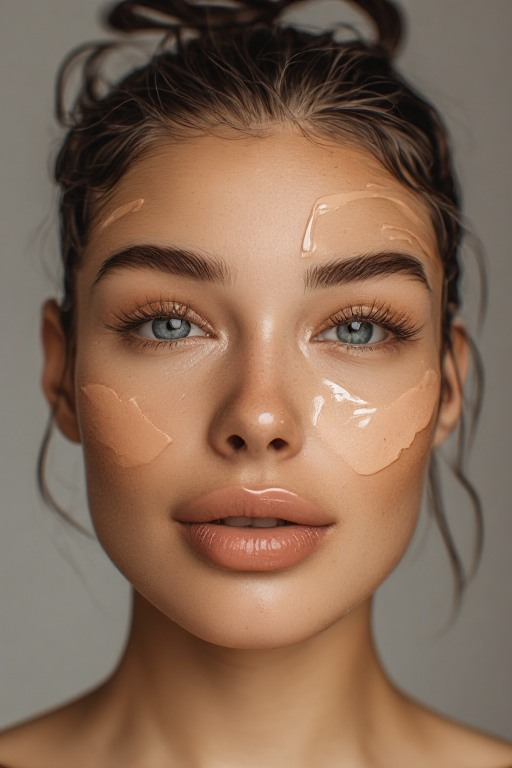
Apply three shades that seem close to your skin tone in small stripes along your jawline. The correct shade will almost disappear into your skin without leaving a visible line.
This technique makes shade matching much easier, especially for beginners.
5. Understand Seasonal Skin Changes
Your skin tone isn’t always the same year-round.

During summer, many people develop a tan and need a slightly darker foundation shade. In winter, skin often becomes lighter and may require a different match.
Some beauty lovers keep two foundation shades and mix them throughout the year for a perfect match.
6. Let Foundation Dry Before Deciding

Foundation often changes color after application.
This process is called oxidation, and it can make the product appear darker or more orange after a few minutes. Always wait at least 10 to 15 minutes before deciding if a shade truly matches.
Patience can prevent expensive makeup mistakes.
7. Pay Attention to the Product Description
Many brands clearly label their undertones.
Look for words like:
- Cool
- Warm
- Neutral
- Golden
- Beige
- Olive
- Peach
Reading these descriptions can help narrow down your options and improve your chances of finding the right foundation shade faster.
8. Match Your Neck, Not Just Your Face
Your face and neck may not be the exact same color.

If your foundation perfectly matches your face but looks different from your neck, the contrast can look unnatural. The goal is to create a seamless transition between your face and neck.
This trick instantly makes your makeup look more professional.
9. Start With Medium Coverage Formulas
For beginners, medium coverage foundations are often easier to work with.
These formulas provide enough coverage while still allowing some natural skin tone to show through. They are generally more forgiving if your shade match isn’t 100% perfect.
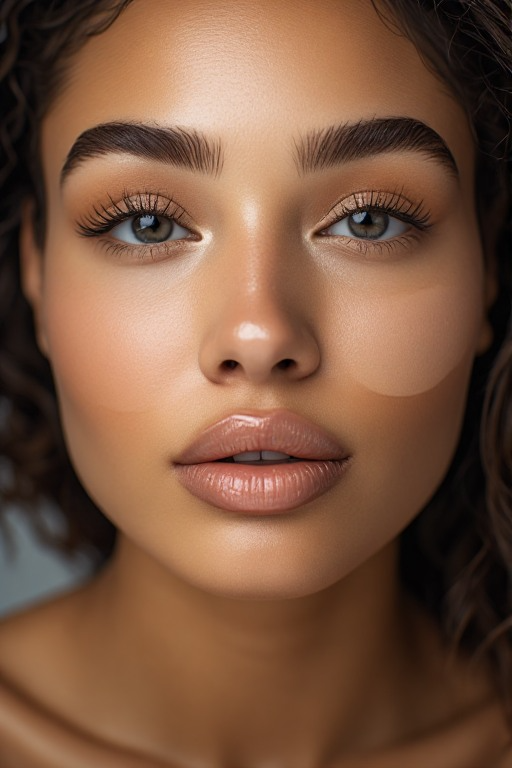
Many makeup artists recommend medium coverage foundations when you’re learning makeup basics.
10. Don’t Ignore Your Skin Type
Your skin type affects how foundation looks throughout the day.
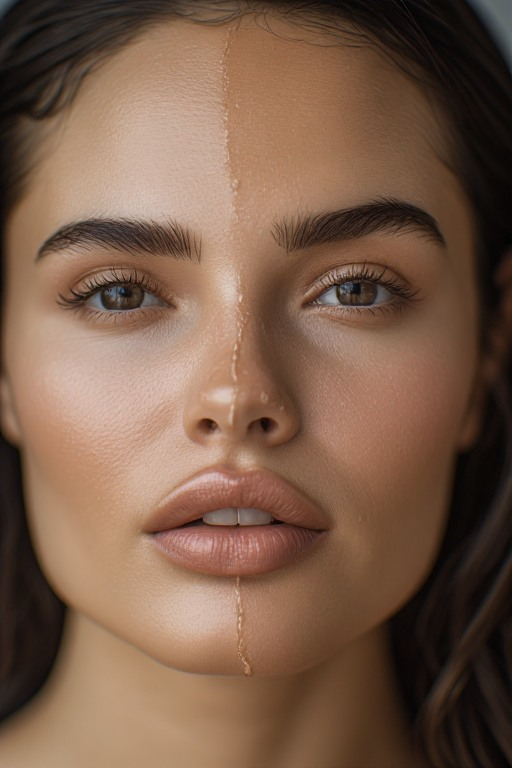
If you have oily skin, look for oil-free or matte formulas. If your skin is dry, choose hydrating or dewy foundations.
The perfect shade can still look wrong if the formula doesn’t work with your skin type.