
Scalp Care Routine Step by Step — The Secret to Healthier, Faster-Growing Hair
If your hair feels dull, greasy, itchy, or just refuses to grow, your hair products might not be the problem. The real issue could be your scalp.
Most of us spend so much time focusing on shampoos, conditioners, masks, and styling products that we completely forget about the skin underneath our hair. Just like healthy skin creates the perfect foundation for makeup, a healthy scalp creates the perfect environment for beautiful hair.
The good news? Creating a scalp care routine doesn’t have to be complicated. With a few simple habits, you can improve scalp health, reduce buildup, and help your hair look fuller, shinier, and healthier than ever.
Why a Scalp Care Routine Matters
Your scalp contains thousands of hair follicles. When these follicles become clogged with oil, product residue, dead skin cells, and dirt, your hair may struggle to reach its full potential.
A good scalp care routine can help:
- Reduce excess oil
- Minimize dandruff and flakes
- Improve scalp circulation
- Support healthier hair growth
- Reduce itchiness and irritation
- Make hair appear shinier and more voluminous
Think of it as skincare for your scalp. Once you start treating it with the same care you give your face, you’ll notice a huge difference.
Step 1: Brush Your Hair Before Washing

Many people skip this step, but it makes a huge difference.
Brushing before washing helps distribute natural oils throughout your hair and loosens dirt, dead skin cells, and product buildup sitting on the scalp. It also helps prevent tangles that can lead to breakage during washing.
Use a gentle brush and work from the ends upward to avoid pulling on your strands.
Step 2: Use a Scalp Exfoliator Once a Week

Your scalp sheds dead skin cells just like the rest of your body. When these cells build up, they can leave your scalp feeling itchy and congested.
Look for scalp scrubs or chemical exfoliants designed specifically for the scalp. Ingredients like salicylic acid, glycolic acid, and charcoal are especially effective for removing buildup.
Benefits of scalp exfoliation include:
- Cleaner roots
- Less oiliness
- Reduced flakes
- Better absorption of hair products
One exfoliation session per week is usually enough for most people.
Step 3: Choose the Right Shampoo

Not all shampoos are created equal.
Your scalp care routine should include a shampoo that matches your scalp type rather than your hair type alone.
For Oily Scalps
Choose shampoos with:
- Tea tree oil
- Salicylic acid
- Charcoal
- Peppermint
These ingredients help control excess oil and keep your scalp feeling fresh.
For Dry Scalps
Look for formulas containing:
- Aloe vera
- Coconut oil
- Hyaluronic acid
- Oat extract
These ingredients help soothe dryness and irritation.
For Sensitive Scalps
Fragrance-free and sulfate-free shampoos are often the safest choice.
Step 4: Massage Your Scalp During Every Wash

This simple habit takes less than two minutes but can make a big difference.
While shampooing, use your fingertips to gently massage your scalp using circular motions. Avoid scratching with your nails.
Scalp massage may help:
- Improve blood circulation
- Relax tension
- Remove buildup
- Create a healthier environment for hair growth
It also feels incredibly relaxing after a long day.
Step 5: Don’t Overwash Your Hair

Many people think washing more often equals a cleaner scalp.
Unfortunately, overwashing can strip away natural oils and cause your scalp to produce even more oil in response.
As a general guideline:
- Oily scalp: every 1–2 days
- Normal scalp: every 2–3 days
- Dry scalp: every 3–4 days
Pay attention to how your scalp feels rather than following strict rules.
Step 6: Add a Scalp Serum to Your Routine

A scalp serum can be a game changer if you’re serious about scalp health.
Many scalp treatments contain ingredients that hydrate, soothe, and support stronger-looking hair. Lightweight formulas absorb quickly without leaving your roots greasy.
Popular ingredients include:
- Niacinamide
- Peptides
- Caffeine
- Rosemary extract
- Biotin
Apply according to the product directions and focus directly on the scalp rather than the hair lengths.
Step 7: Protect Your Scalp From Heat

Most people protect their hair from heat but forget about their scalp.
Excessive heat from blow dryers, curling irons, and straighteners can contribute to dryness and irritation over time.
To protect your scalp:
- Use medium heat settings
- Keep dryers moving
- Avoid concentrating heat on one area
- Use heat protectant products
Your scalp will thank you for it.
Step 8: Keep Styling Product Buildup Under Control
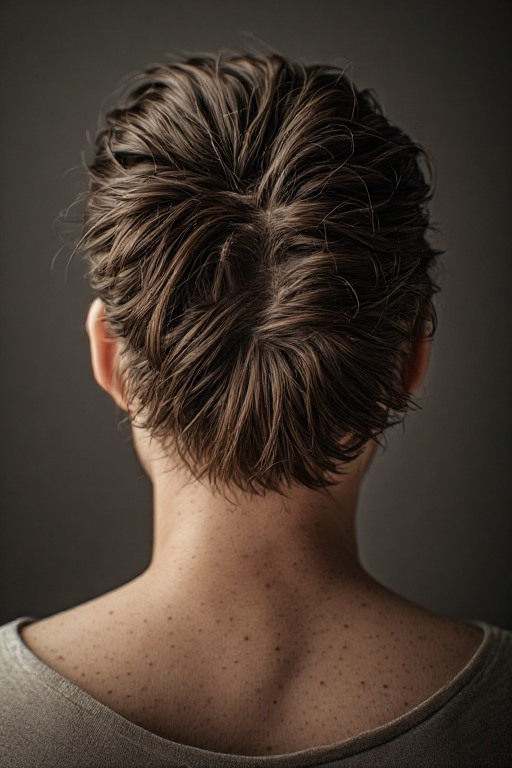
Dry shampoo, hairspray, mousse, and styling creams can build up over time.
Even if your hair looks clean, product residue may still be sitting on your scalp. This can clog follicles and make your scalp feel uncomfortable.
A clarifying shampoo once or twice per month can help remove stubborn buildup and reset your scalp.
Just don’t use clarifying formulas too frequently, as they can be drying.
Step 9: Stay Hydrated

Beautiful hair starts from within.
Dehydration can affect your skin and scalp health, potentially contributing to dryness and discomfort. Drinking enough water helps support overall skin function and keeps your body working at its best.
Pair hydration with a balanced diet rich in:
- Protein
- Healthy fats
- Iron
- Zinc
- Vitamins A, C, D, and E
Healthy habits often show up first in your hair and skin.
Step 10: Sleep on a Clean Pillowcase

This step is surprisingly important.
Your pillowcase collects oil, sweat, bacteria, and hair product residue over time. All of that comes into contact with your scalp every night.
Try changing your pillowcase at least once or twice per week. Silk or satin pillowcases can also help reduce friction and keep hair looking smoother.